Corporate News
Company News
- Aluminum veneer customization, creating an artistic journey of personalized space
- How much do you know about aluminum veneer curtain wall: the fashionable coat of architecture?
- Aluminum veneer new trend curtain wall aluminum veneer, the perfect combination of beauty and practicality!
- Aluminum veneer curtain wall: the beauty of architecture, metal interpretation
- Curtain wall aluminum veneer, the secret weapon of architectural aesthetics!
Industry dynamics
- Design and construction techniques of aluminum veneer ceiling
- Surface treatment technology and its effects on aluminum veneer
- Exploring Fluorocarbon Aluminum Veneer: The Secret Behind New Trend Building Materials
- Aluminum veneer curtain wall: the beauty of architecture, crafted by details
- Aluminum veneer customization service and meeting personalized needs
Frequently asked questions
- What is the sound insulation performance of aluminum veneer?
- How to improve the fire resistance of aluminum veneer?
- How to improve the sound insulation performance of aluminum veneer?
- How to improve the insulation performance of aluminum veneer?
- What is the fire resistance of aluminum veneer?
contact us
Mobile phone: 15627778610
Email: 2201229786
Address: No. 5 Binjiang Road, High tech Zone, Zhaoqing City
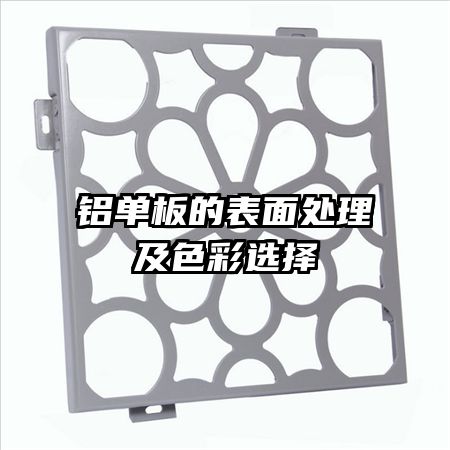
Surface treatment and color selection of aluminum veneer
- Author: Xinlongtai Aluminum Industry (Guangdong) Co., Ltd
- Release time: 2022-02-23 08:28:40
- Click:0
Surface treatment and color selection of aluminum veneer
Abstract: In the field of architecture and decoration, aluminum veneer has become a common material choice. This article will focus on the surface treatment and color selection of aluminum veneer.
1、 Surface treatment technology
1. Anodizing treatment
Anodizing is a commonly used surface treatment technique that improves the corrosion resistance and wear resistance of aluminum veneer by forming an oxide layer on its surface. In addition, anodizing can also increase the adhesion of aluminum veneer, making it easier for subsequent coating or printing.
2. Spray treatment
Spray coating is another common surface treatment technique that can provide aluminum veneers with a wide range of color options. Spraying treatment can not only change the appearance of aluminum veneer, but also serve functions such as insulation and corrosion prevention. Common spraying methods include powder spraying and liquid spraying.
3. Wire drawing processing
Wire drawing treatment is a method of forming a linear texture on the surface of aluminum veneer through mechanical processing, giving it a more delicate texture. Wire drawing processing is suitable for decorative projects that require improving the appearance and texture of aluminum veneer.
2、 Color selection
1. Natural color scheme
Natural color schemes refer to color choices that correspond to elements in nature, such as the brown of land and the blue of the sky. Natural colored aluminum veneers can harmoniously blend with the surrounding environment, giving people a comfortable and calm feeling.
2. Classic color scheme
Classic color schemes include basic colors such as black, white, gray, etc. These colors are timeless and can reflect elegance and stability in any era. Aluminum veneer adopts classic color schemes, which can adapt to various architectural styles and decorative needs.
3. Brilliant color scheme
Vibrant color schemes refer to a selection of bright and vivid colors, such as red, yellow, green, etc. These colors give people a sense of vitality and positivity, suitable for creative and personalized architectural and decorative projects.
3、 Color influencing factors
1. Architectural style
Different architectural styles have varying requirements for color. For example, modern styles tend to lean towards simplicity and neutral colors, while traditional styles may prefer classic and natural color schemes. Therefore, when choosing the color of aluminum veneer, it is necessary to consider the style characteristics of the building where it is located.
2. Environmental atmosphere
Color can affect people's emotions and perceptions, so when choosing the color of aluminum veneer, it is necessary to consider the atmosphere and intention of the surrounding environment. For example, in commercial areas, there may be a preference for brightly colored aluminum veneers to attract attention and increase vitality.
3. Functional requirements
Different projects may have different functional requirements, such as UV resistance, fire resistance, etc. When choosing the color of aluminum veneer, it is necessary to consider these functional requirements and select suitable coatings and colors.
4、 Color matching principles
1. Compare and match
The use of contrasting colors can create a strong visual effect and increase the highlights of the building. For example, contrasting warm and cool colors can create a vivid contrast effect.
2. Similar combinations
Similar color matching refers to the combination of adjacent colors to create a soft and harmonious visual effect. This combination is suitable for architectural and decorative projects that pursue a sense of harmony and unity.
3. Complementary color matching
Complementary color matching refers to the combination of complementary colors to create strong contrast and conflict effects. This combination is suitable for creative and personalized architectural and decorative projects.
5、 Summary:
Through a detailed explanation of the surface treatment and color selection of aluminum veneer in this article, we can see that different surface treatment techniques and color choices have a significant impact on the appearance and function of aluminum veneer. In practical applications, it is necessary to consider the architectural style, environmental atmosphere, and functional requirements, and choose based on color matching principles to achieve the best decorative effect.
 Customer service QQ