
Industry information
Company News
- Aluminum veneer curtain wall: the fashionable coat of architecture, your building can also "wear" to show off its charm
- Aluminum veneer curtain wall: the beauty of architecture, the choice of details
- Aluminum veneer customization, creating a new trend of personalized space
- Aluminum veneer customization, creating an exclusive personalized space
- Aluminum veneer curtain wall: a fashionable choice in modern architecture
Industry dynamics
- How to interpret modern curtain wall aesthetics with aluminum veneer separated by a board?
- Will aluminum veneer deform during summer use?
- Design a unique decorative ceiling aluminum veneer selection guide
- Fluorocarbon aluminum veneer: understated luxury in modern architecture
- Maintenance and upkeep methods for aluminum veneer
Frequently asked questions
- What is the fire resistance of aluminum veneer?
- How to improve the sound insulation performance of aluminum veneer?
- What is the insulation performance of aluminum veneer?
- What are the common methods for surface treatment of aluminum veneer?
- What is the installation method of aluminum veneer?
contact us
Mobile phone: 15627778610
Email: 2201229786
Address: No. 5 Binjiang Road, High tech Zone, Zhaoqing City
Will aluminum veneer be affected by oxidation?
- Author: Xinlongtai Aluminum Industry (Guangdong) Co., Ltd
- Release time: February 25, 2025 00:48:22
- Click:0
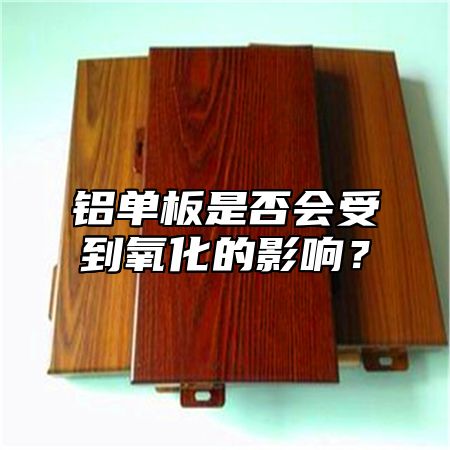
Aluminum veneer is a lightweight, weather resistant, fire-resistant, and corrosion-resistant building material that has a wide range of applications in architectural decoration. After anodizing treatment, the surface of aluminum veneer has good anti-corrosion performance, but it is still affected by oxidation. This article will provide a detailed introduction from multiple aspects to answer this question.
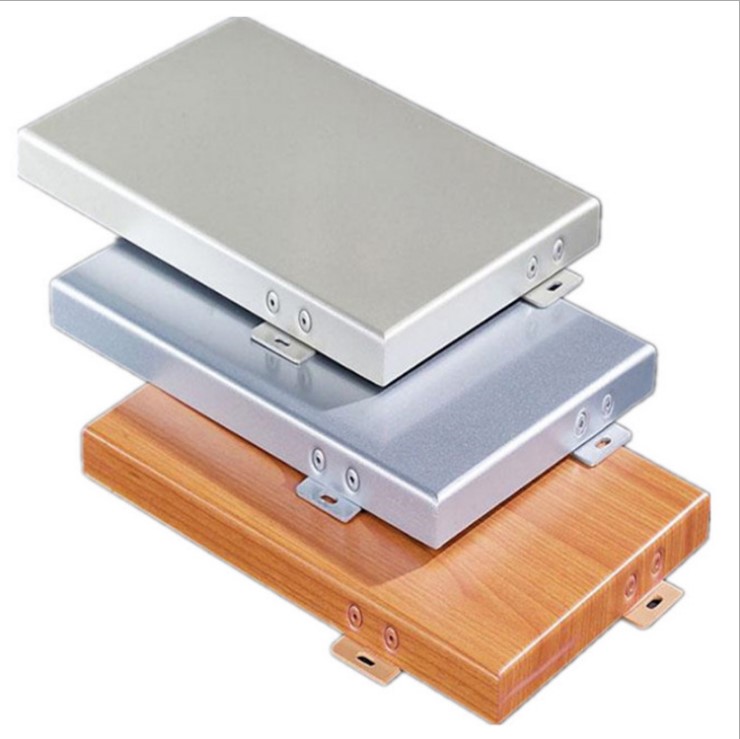
We need to understand the basic characteristics of aluminum veneer. Aluminum veneer is formed by rolling aluminum alloy sheets and then sprayed on the surface. Due to its lightweight, weather resistant, fire-resistant, and corrosion-resistant properties, aluminum veneer has a wide range of applications in building decoration.
Let's take a look at whether aluminum veneer will be affected by oxidation:
1. Oxidation reason: The oxidation on the surface of aluminum veneer is mainly caused by oxygen and moisture in the air. When the surface of aluminum veneer is exposed to air, the oxygen and moisture in it will react with the metal ions on the surface of the aluminum veneer, forming an oxide film.
2. Oxidation effect: Oxidation on the surface of aluminum veneer can affect its aesthetics and anti-corrosion performance. If the oxide film on the surface of the aluminum veneer is too thick or uneven, it will cause color spots and unevenness on the surface of the aluminum veneer, affecting its aesthetics; The oxide film can also reduce the anti-corrosion performance of aluminum veneer, making it more susceptible to corrosion and damage.
3. Anodizing treatment: In order to enhance the anti-corrosion performance and aesthetics of aluminum veneer, its surface is usually subjected to anodizing treatment. Anodizing treatment is the process of placing an aluminum veneer in an electrolyte solution and forming a dense oxide film on its surface through electrolysis. This oxide film can not only improve the anti-corrosion performance of aluminum veneer, but also increase its hardness and wear resistance, while maintaining its original color and glossiness.
Aluminum veneer may be affected by oxidation, but its corrosion resistance and aesthetic appearance can be enhanced through anodizing treatment. When selecting and using aluminum veneer, attention should be paid to whether its surface has undergone anodizing treatment, as well as how to maintain and care for its surface to ensure its long-term stability and aesthetics.
 Customer service QQ