
Industry information
Company News
- Aluminum veneer: understated luxury, the soul of architecture
- Fluorocarbon aluminum veneer: the "chameleon" of the construction industry
- Aluminum veneer curtain wall: the fashionable coat of modern architecture
- The unique charm of perforated aluminum veneer takes you to experience fashionable space
- Aluminum veneer customization, creating a new trend of personalized space
Industry dynamics
- Aluminum veneer curtain wall, the "green coat" of modern architecture
- Aluminum veneer curtain wall: the "green coat" of modern architecture
- Aluminum veneer customization, creating personalized spatial aesthetics
- Aluminum veneer curtain wall: the "new clothes" of architectural art
- Double curved roller coated aluminum veneer makes buildings more technological and modern
Frequently asked questions
- What is the sound insulation performance of aluminum veneer?
- What are the common methods for surface treatment of aluminum veneer?
- What are the surface treatment methods for aluminum veneer?
- What is the fire resistance of aluminum veneer?
- How to improve the insulation performance of aluminum veneer?
contact us
Mobile phone: 15627778610
Email: 2201229786
Address: No. 5 Binjiang Road, High tech Zone, Zhaoqing City
How complex is the manufacturing process of aluminum veneer?
- Author: Xinlongtai Aluminum Industry (Guangdong) Co., Ltd
- Release time: February 20, 2025 21:14:00
- Click:0
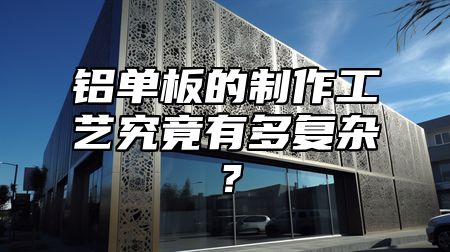
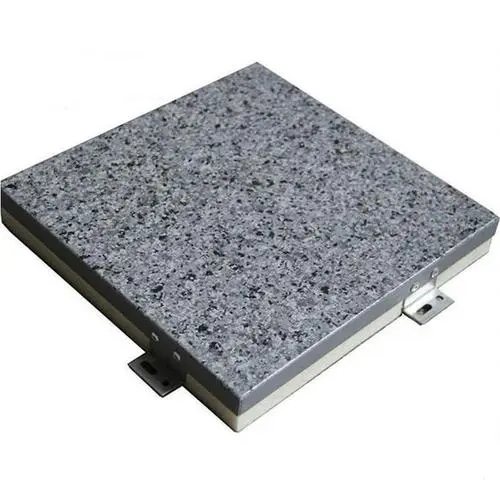
Aluminum veneer is a common building material, and its manufacturing process is relatively complex. Below, we will provide a detailed introduction to the manufacturing process of aluminum veneer.
1. Raw material preparation: The main raw material for aluminum veneer is aluminum, which requires strict quality inspection and classification processing. In the production process, other materials such as polyester resin, glass fiber, etc. need to be added to improve the performance of aluminum veneer.
2. Cutting and processing: Aluminum materials are cut and processed according to design requirements, usually using CNC machine tools. The cut aluminum material needs to be polished and trimmed to ensure surface smoothness and dimensional accuracy.
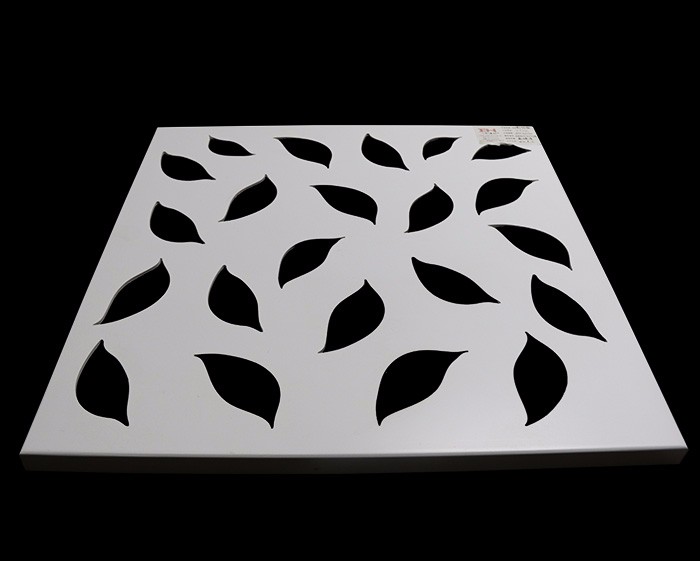
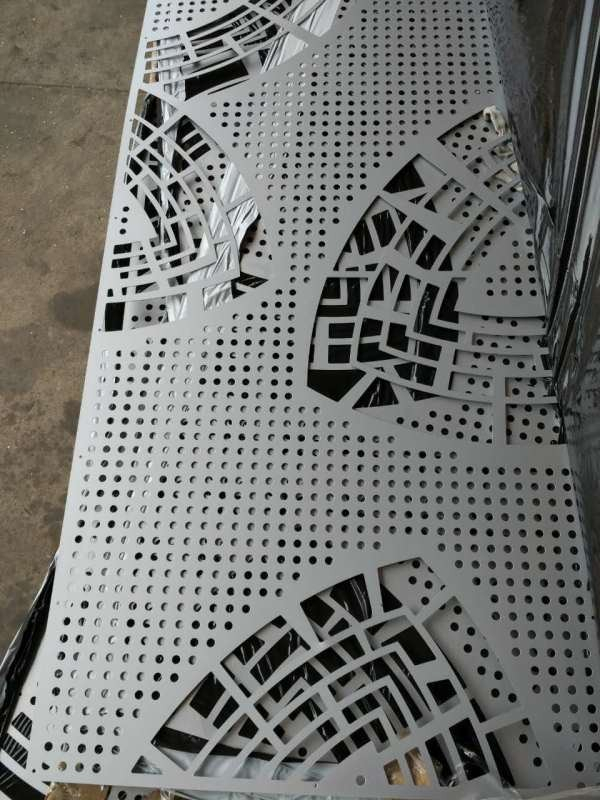
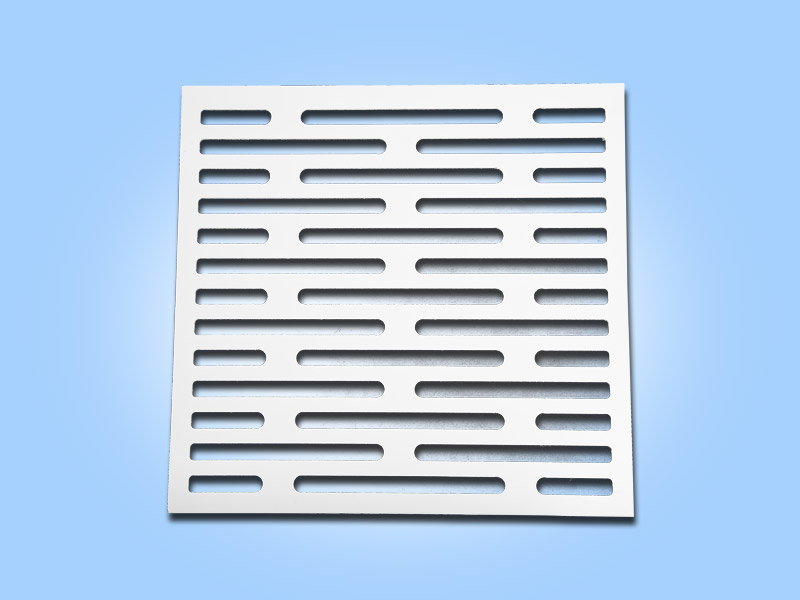
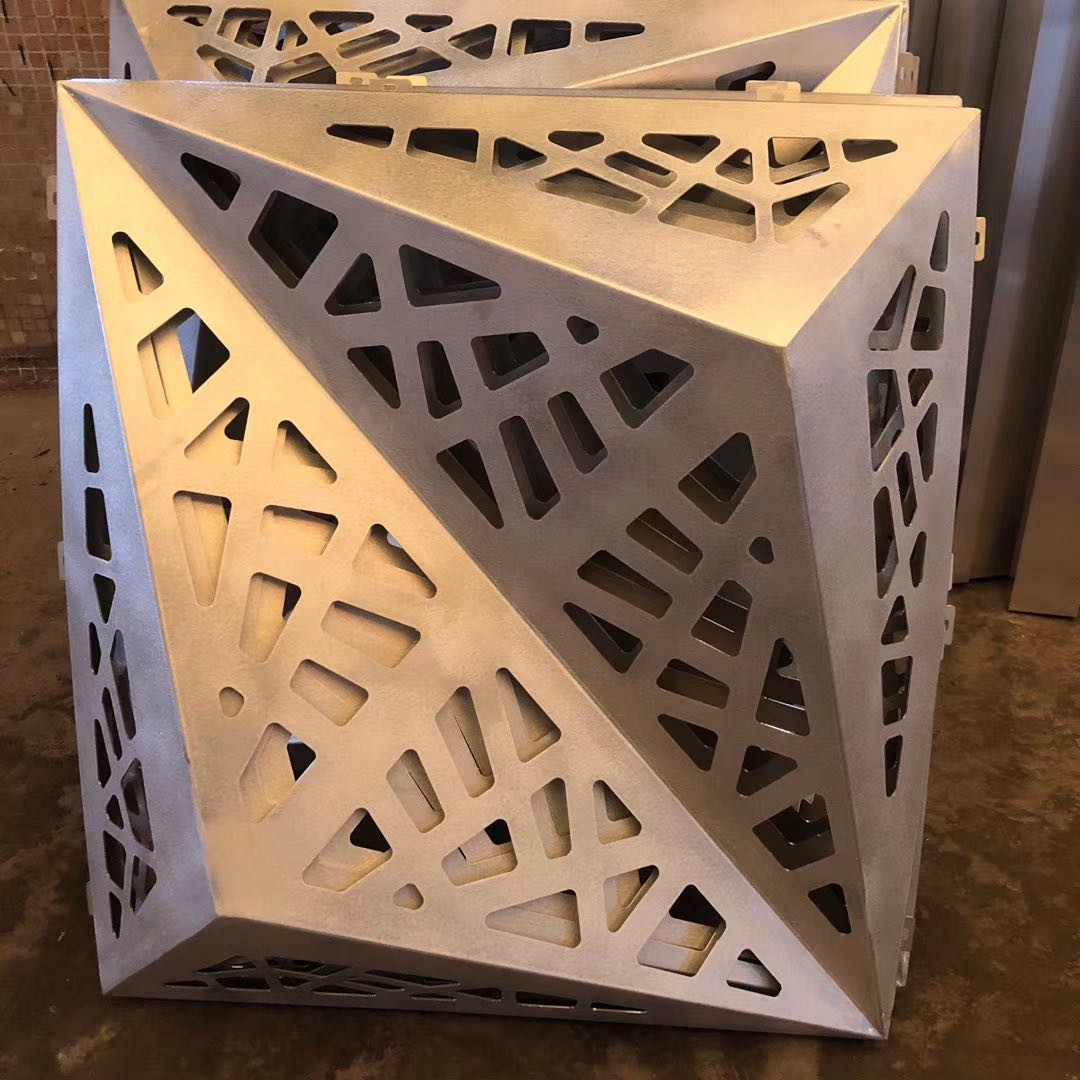
3. Sheet metal processing: Bending, stamping, stretching and other processing of aluminum materials to form the desired shape of aluminum veneer. This process requires the use of professional equipment and technology, such as CNC punching machines, laser cutting machines, etc.
4. Surface treatment: The surface of aluminum veneer needs to be treated by spraying or anodizing to increase its corrosion resistance and aesthetics. Spray coating is one of the most commonly used surface treatment methods, providing a variety of color and texture options.
5. Assembly and installation: Assemble and install the processed aluminum veneer according to the design requirements, usually using a keel system for support and fixation. During the installation process, attention should be paid to the angle and position of the aluminum veneer to ensure its flatness and stability.
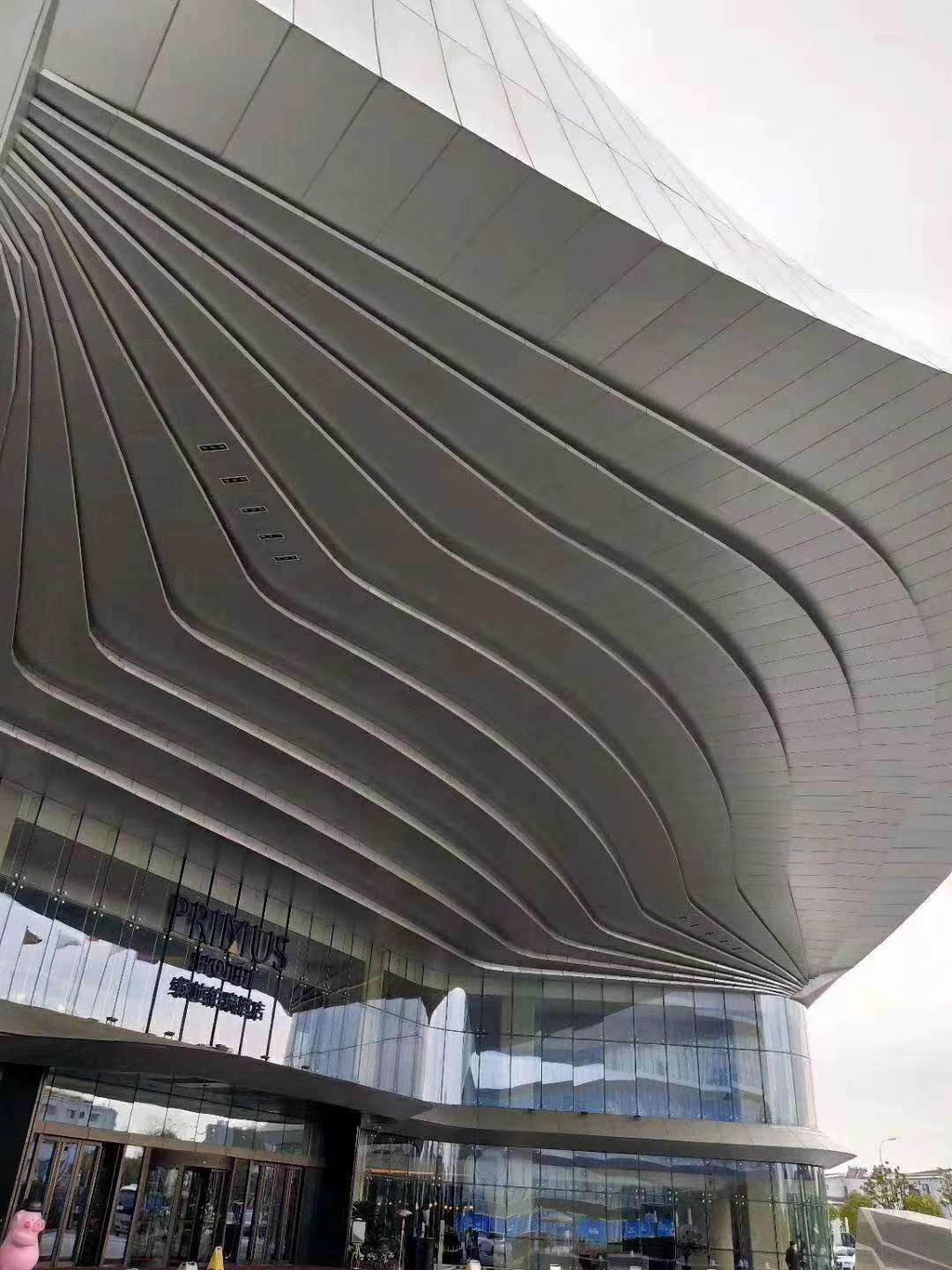
The production process of aluminum veneer is relatively complex, requiring multiple stages of processing and treatment. This is also one of the reasons why the price of aluminum veneer is relatively high. However, due to its advantages such as lightweight, high strength, and corrosion resistance, aluminum veneer has been widely used in the field of architectural decoration.
 Customer service QQ